
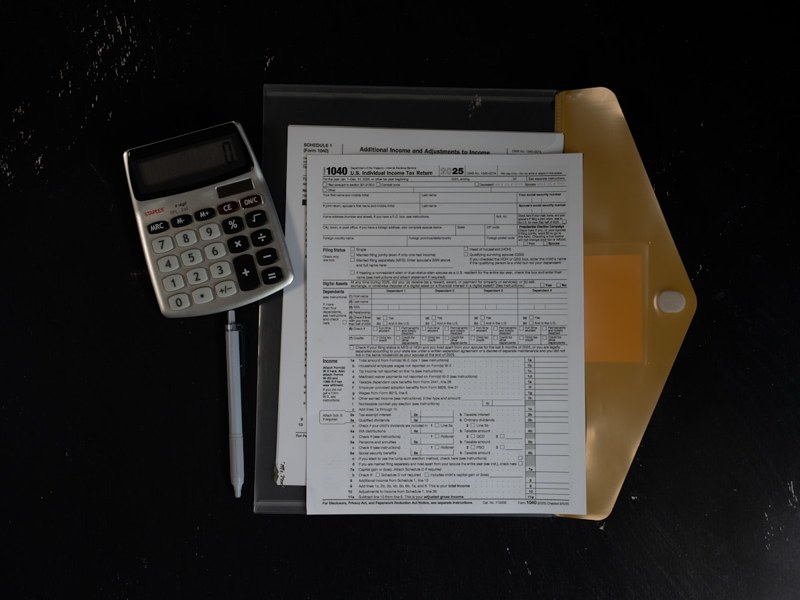
Why GST Registration Matters for Your Business
The Goods and Services Tax (GST) is Singapore’s broad-based consumption tax, currently levied at a rate of 9 per cent on the supply of goods and services. For business owners, understanding when GST registration becomes mandatory — and whether voluntary registration might be beneficial — is a fundamental part of running a compliant and tax-efficient operation.
GST registration is governed by the Goods and Services Tax Act 1993 and administered by the Inland Revenue Authority of Singapore (IRAS). Getting it wrong — whether by failing to register on time or by registering voluntarily without fully understanding the obligations — can result in significant penalties and administrative burden.
This guide explains who needs to register for GST, the two routes to registration, the application process, and what your obligations are once registered. Whether you have just incorporated a company in Singapore or are reviewing your existing business’s tax position, this article will help you navigate the essentials.
When Is GST Registration Compulsory?
Under the Goods and Services Tax Act, GST registration becomes compulsory when your business’s taxable turnover exceeds S$1 million. IRAS applies two tests to determine whether this threshold has been crossed, and you must register if you meet either one of them.
The Retrospective Test
Under the retrospective test, you are required to register for GST if the total value of your taxable supplies in the past 12 months (on a rolling basis, not calendar year) has exceeded S$1 million. You must apply to IRAS for GST registration within 30 days of the date on which you become liable.
For example, if your company’s total taxable sales from April 2025 to March 2026 amount to S$1.05 million, you would be liable for compulsory registration by the end of March 2026 and must apply within 30 days thereafter.
The Prospective Test
Under the prospective test, you must register if you have reasonable grounds to believe that your taxable turnover in the next 12 months will exceed S$1 million. This test is forward-looking and applies even if your historical turnover has not yet crossed the threshold.
For instance, if your business has just secured a major contract that will push your revenue over S$1 million in the coming year, you are required to register even before that revenue materialises. Again, the application must be made within 30 days of the date on which you form the reasonable expectation.
Voluntary GST Registration
Even if your business does not meet the S$1 million threshold, you may choose to register for GST voluntarily. Voluntary registration can be advantageous in certain situations — for example, if your business incurs substantial GST on purchases and expenses, registration allows you to claim input tax credits that would otherwise be a cost to your business.
However, voluntary registration comes with important conditions. Voluntary registrants are generally required to remain registered for a minimum of two years. During this period, you must comply with all GST obligations, including charging GST on your supplies, filing quarterly GST returns, and maintaining proper records. If your business is not prepared for these administrative requirements, voluntary registration can quickly become burdensome.
It is also worth noting that from 1 April 2026, all new voluntary GST registrants must comply with the GST InvoiceNow requirement. This means your invoicing system must be capable of transmitting invoice data directly to IRAS through the InvoiceNow network — a digital compliance measure that new registrants should factor into their planning.
How to Apply for GST Registration
The GST registration process is handled online through IRAS’s myTax Portal. Before starting the application, you should ensure that the relevant person in your company (typically a director or an authorised representative such as your company secretary or corporate services provider) has been authorised to act on the company’s GST matters via Corppass.
The application process generally involves the following steps. First, log in to the myTax Portal using Corppass. Second, navigate to the GST registration section and select the appropriate registration type (compulsory or voluntary). Third, complete the registration form, providing details about your business activities, expected turnover, and financial year end. Fourth, upload any supporting documents requested by IRAS, which may include financial statements, contracts, or invoices supporting your turnover figures.
For compulsory registration, IRAS will typically process the application and assign an effective date of registration based on when you became liable. For voluntary registration, IRAS may take longer to process the application as it reviews whether the business meets the conditions for voluntary registration.
Once registered, you will receive a GST registration number, which must be displayed on all tax invoices issued by your business.
Your Obligations as a GST-Registered Business
Registration is only the beginning. Once your business is GST-registered, you take on a range of ongoing compliance obligations that must be met consistently.
Charging and Collecting GST
You must charge GST at the prevailing rate (currently 9 per cent) on all taxable supplies of goods and services made in Singapore. This GST — known as output tax — must be clearly shown on your tax invoices. Certain supplies are zero-rated (such as exports) or exempt (such as the sale of residential property and financial services), and you should understand which categories apply to your business.
Filing GST Returns
GST-registered businesses must file GST returns (known as GST F5 returns) on a quarterly basis, within one month after the end of each prescribed accounting period. The return reports your output tax (GST collected on sales) and input tax (GST paid on business purchases), and the net amount must be remitted to IRAS or claimed as a refund.
Timely filing is critical. Late filing attracts a penalty of S$200 immediately, with additional penalties of S$200 for each subsequent month the return remains outstanding, up to a maximum of S$10,000. Understanding your company’s tax filing obligations holistically — including corporate tax deadlines — helps you stay on top of all compliance requirements.
Record Keeping
You must maintain proper business and accounting records for at least five years, even after deregistration. These records should be sufficient to determine the correct amount of GST payable and to verify the accuracy of your GST returns. This dovetails with the broader record-keeping obligations under the Companies Act, including the maintenance of statutory registers and proper financial reporting.
Issuing Tax Invoices
For every standard-rated supply exceeding S$1,000, you must issue a tax invoice to the customer within 30 days of the supply. The invoice must contain prescribed information, including your GST registration number, the total amount payable inclusive of GST, and the GST amount charged. With the InvoiceNow requirement gradually expanding, businesses should ensure their invoicing systems are digital-ready.
Penalties for Failing to Register on Time
IRAS takes a firm approach to non-compliance with GST registration obligations. If you fail to register within the required 30-day window after becoming liable, the consequences can be severe.
IRAS may backdate your GST registration to the date you should have been registered. This means you will be liable to account for GST on all taxable supplies made from that backdated date — even though you did not charge GST to your customers during that period. You will effectively bear the cost of the GST out of your own margins.
In addition, you may face a fine of up to S$10,000, a penalty of 10 per cent of the GST due from the date you should have registered, and potential prosecution in serious cases. These penalties underscore the importance of monitoring your turnover carefully and registering promptly when required.
Should Your Business Register Voluntarily?
The decision to register voluntarily is not one to be taken lightly. Here are some factors to weigh.
Voluntary registration may be beneficial if your business makes significant purchases subject to GST (allowing you to claim input tax credits), if most of your customers are GST-registered businesses themselves (so charging them GST does not put you at a competitive disadvantage), or if you expect to cross the S$1 million threshold soon and wish to get your systems in place early.
On the other hand, voluntary registration may not be advisable if your customers are primarily end consumers who cannot claim back the GST (making your prices effectively 9 per cent higher), if your business lacks the administrative capacity to handle quarterly GST returns and record-keeping, or if you are uncertain about your business’s future direction and do not want to be locked in for two years.
Consulting with an experienced corporate services provider or tax adviser can help you make an informed decision. The team at Raffles Corporate Services regularly assists businesses in evaluating their GST position and can advise on whether voluntary registration makes sense for your specific circumstances.
GST and Overseas Businesses
It is worth noting that GST registration obligations can also apply to overseas businesses that supply digital services or low-value goods to customers in Singapore. Under the overseas vendor registration regime, foreign businesses with an annual global turnover exceeding S$1 million and making supplies to non-GST-registered customers in Singapore exceeding S$100,000 must register for GST in Singapore.
For foreign-owned Singapore companies, the standard domestic GST registration rules apply. If you are a foreigner looking to set up a company in Singapore, be aware that GST registration may need to be part of your planning from the outset, depending on your projected turnover.
Conclusion
GST registration is a critical compliance milestone for any growing business in Singapore. Whether registration is compulsory because your turnover has exceeded the S$1 million threshold, or you are considering voluntary registration for strategic reasons, it is essential to understand the process, the obligations, and the consequences of getting it wrong.
By staying on top of your turnover figures, applying for registration within the prescribed timeframes, and setting up robust systems for GST compliance from the start, you can avoid penalties and ensure a smooth relationship with IRAS. With the expanding InvoiceNow requirements and ongoing updates to the GST framework, staying informed is more important than ever.
For assistance with GST registration, tax compliance, or any other aspect of running your Singapore company, Raffles Corporate Services is here to help. Our team can guide you through the registration process and ensure your business is fully compliant.
— The Editorial Team, Raffles Corporate Services